Dental Essence

Uncategorized

Dental branding graphic

Invisalign Maintenance Tips: How to Keep Your Aligners Clean and Clear

Invisalign is an orthodontic treatment that straightens teeth more discreetly than traditional methods. Unlike metal braces, Invisalign aligners, made from clear plastic, resemble invisible braces. However, to ensure their effectiveness and longevity, proper maintenance is crucial. The Importance of Clean Aligners It’s vital to understand why keeping your aligners clean is essential. Clean aligners help maintain oral hygiene by preventing bacteria buildup, minimising the risk of cavities and gum disease. Moreover, dirty aligners can become discoloured, making them more noticeable and less appealing. By following a regular cleaning routine, you can ensure that your aligners remain clear, effective, and comfortable throughout your treatment. Here are some practical tips from Dental Essence to help you get started using Invisalign in Singapore. Daily Cleaning Routine 1. Brushing Your Aligners Just as you brush your teeth twice daily, you should also brush your aligners. Here’s how to do it correctly: Use a soft-bristled toothbrush: Choose a toothbrush with soft bristles to avoid scratching the surface of your aligners. A gentle brush will effectively clean them without damaging them. Use mild soap or non-abrasive toothpaste: Avoid using toothpaste that contains whitening agents or strong abrasives, as these can scratch the plastic. Instead, use a mild dish soap or a non-abrasive toothpaste. Rinse with cool water: Before brushing, rinse your aligners under cool water to remove any saliva or debris. After brushing, rinse them again to ensure no soap residue remains. 2. Avoid Hot Water It’s essential to avoid using hot water when cleaning your aligners. Hot water can warp the plastic, affecting the fit and efficacy of your aligners. Stick to cool or lukewarm water for rinsing and cleaning. Storing Your Aligners Properly When you’re not wearing your aligners, it’s crucial to store them correctly to maintain their cleanliness and shape: Use the Invisalign case: Always keep your aligners in the provided case when you’re not wearing them. This protects them from bacteria, debris, and potential damage. Avoid Wrapping in tissues or napkins: It’s easy to forget your aligners if you wrap them in a tissue or napkin. They may get thrown away accidentally, leading to unnecessary expenses and delays in your treatment. Eating and Drinking with Aligners 1. Remove Before Eating One of the key rules of Invisalign care is to remove your aligners before eating or drinking anything other than plain water. Eating with your aligners in place can result in staining, damage, and trapped food particles that promote bacterial growth. 2. Rinse Before Replacing After eating or drinking, rinse your mouth and aligners with water before putting them back in. This step helps remove food particles and minimises the risk of stains. Avoiding Staining Foods and Drinks While Invisalign aligners are designed to be clear, certain foods and beverages can cause them to stain. To maintain clarity: Limit staining foods and drinks: Be cautious with foods and beverages like coffee, tea, red wine, and berries, as these can stain your aligners. If you consume them, rinse your aligners immediately afterward. Opt for water: Stick to water while wearing your aligners, as it won’t cause any discoloration or damage. Regular Dental Check-Ups Continue attending your regular dental appointments while using Invisalign in Singapore. Your dentist or orthodontist will monitor your progress and can provide specific advice tailored to your treatment. They can also assist with cleaning your aligners during your visits, ensuring they remain in excellent condition. Replacing Aligners Over time, your aligners may wear out or become less effective. Follow your orthodontist’s guidelines for when to change to the next set of aligners in your treatment plan. Generally, you will wear each set for about one to two weeks, depending on your specific treatment plan. Cleaning Alternatives While brushing and rinsing are essential, there are also specialised cleaning products available for Invisalign in Singapore: Cleaning crystals: Invisalign offers cleaning crystals specifically designed for their aligners. These can effectively eliminate bacteria and keep your aligners fresh. Follow the instructions on the packaging for best results. Retainer cleaning tablets: Alternatively, you can use retainer cleaning tablets. Dissolve one tablet in water and soak your aligners for about 15–20 minutes. Brush and rinse thoroughly afterward. Optimal Invisalign Care for Your Aligners with Dental Essence Proper maintenance of your Invisalign aligners is crucial for achieving the best results in your orthodontic treatment. By following these tips for cleaning, storing, and handling your aligners, you can keep them clear and effective throughout your journey to a straighter smile. Consistency is key, so establish a routine that incorporates these practices into your daily life. If you have any questions or need further guidance on caring for your aligners, don’t hesitate to reach out to Dental Essence – our team is here to support you every step of the way. Contact our Tanglin dental clinic to schedule an appointment for invisible braces and ensure your smile stays on the right track!

Invisalign Maintenance Tips: How to Keep Your Aligners Clean and Clear Read More »
Orthodontic treatment

Orthodontics for Adults: Why It’s Never Too Late to Straighten Your Teeth

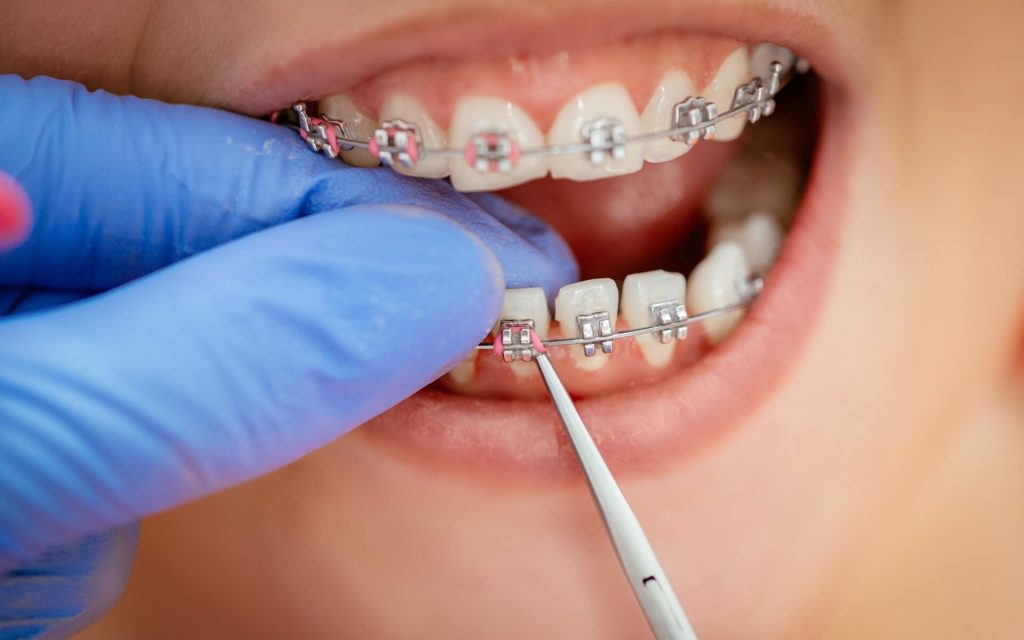
When most people think of braces, they envision teenagers sporting metal brackets and rubber bands. However, orthodontic treatment in Singapore isn’t just for teenagers anymore. Today, adults of all ages are turning to orthodontics to improve their smiles, thanks to developments in dental technology. Whether it’s correcting a misaligned bite, closing gaps between teeth, or simply achieving a more aesthetically pleasing smile, modern orthodontic solutions like clear aligners and discreet braces offer adults the opportunity to transform their teeth without the hassle or stigma traditionally associated with orthodontic treatment. Why Are More Adults Seeking Orthodontic Treatment? Adults seek orthodontic treatment for various reasons, but one of the primary drivers is the desire for a confident smile. Whether it’s for personal satisfaction or professional reasons, a straight smile can leave a lasting impression. Studies show that people who are self-conscious about their teeth are less likely to smile, which can negatively impact their self-esteem and social interactions.   Beyond aesthetics, orthodontics can also address functional issues such as a misaligned bite or overcrowded teeth. Problems like these can contribute to difficulties in chewing, increased wear on teeth, and even jaw pain. Addressing these issues through orthodontic treatment can enhance dental health, making it a valuable investment not just for looks but for long-term wellness. The Rise of Discreet Orthodontic Options for Adults Many adults avoid orthodontic treatment due to their association with bulky metal braces. The good news is that orthodontic technology has evolved significantly in recent years, offering adults more discreet and comfortable options:   Clear Aligners: Clear aligners, with brand names like Invisalign and OneSmile, have gained immense popularity among adults. These custom-made, transparent trays fit snugly over the teeth and gently shift them into place over time. The best part? They are virtually invisible, allowing adults to straighten their teeth without drawing unwanted attention. Moreover, clear aligners are removable, making it easy to maintain oral hygiene and enjoy favourite foods without restrictions. Ceramic Braces: For adults who need more significant tooth movement or have specific dental conditions that clear aligners may not address, ceramic braces provide an excellent alternative. These braces function like traditional metal braces but are made of tooth-coloured or clear materials, blending seamlessly with the natural colour of the teeth. Lingual Braces: Lingual braces are another discreet option for adults. Placed on the inner surface of the teeth (toward the tongue), they remain hidden from view while effectively straightening them. This option is ideal for adults looking to correct their teeth without compromising their outward appearance. Why Timing Doesn’t Matter It’s easy to assume that orthodontic treatment is more effective in children and adolescents because their bones are still growing and developing. While it’s true that early orthodontic intervention has its benefits, that doesn’t mean that adults can’t achieve desired results. Adult teeth and bones may not be as malleable, but they can still respond to the gentle forces applied by modern orthodontic devices.   The most significant difference between adult and adolescent orthodontics is that treatment might take a bit longer for adults. This is primarily due to denser bone tissue and the fact that adults might have pre-existing dental conditions, such as gum disease or tooth loss. However, with the right approach and a customised treatment plan, adults can still enjoy a beautifully aligned smile and improved oral health. The Benefits of Orthodontic Treatment for Adults Orthodontic treatment offers numerous benefits beyond cosmetic enhancements. These include:   Improved Oral Health: Misaligned teeth can make it challenging to brush and floss effectively, increasing the risk of plaque buildup, tooth decay, and gum disease. Straightening your teeth can help improve oral hygiene and reduce these risks. Better Bite and Function: A misaligned bite can cause discomfort, difficulty in chewing, and even lead to temporomandibular joint (TMJ) disorders. Correcting your bite can alleviate pain, improve chewing efficiency, and prevent unnecessary wear and tear on your teeth. Enhanced Self-Confidence: A straight smile can boost your self-esteem, making you feel more comfortable in social situations and confident in your appearance. This, in turn, can have a positive impact on both personal and professional aspects of your life. Long-Term Stability: Orthodontic treatment can set the foundation for long-term dental stability. By aligning teeth and correcting bite issues, you can avoid dental problems that may arise due to misalignments, such as tooth wear or gum recession. Overcoming Common Concerns About Adult Orthodontics Despite the clear benefits, some adults hesitate to seek orthodontic treatment due to concerns about time, cost, or the fear of discomfort. Let’s address these concerns:   Time Commitment: The average treatment time for adults varies based on the complexity of the case. While some may achieve results in as little as six months, more extensive cases may take one to two years. Modern orthodontic techniques, like accelerated orthodontics, can shorten treatment time without compromising results. Cost: The cost of orthodontic treatment can be a concern, but many practices offer flexible payment plans and financing options to make treatment more affordable. Additionally, investing in orthodontics can save money in the long run by preventing costly dental issues that arise from misalignment. Discomfort: Any orthodontic treatment will come with some level of discomfort as teeth shift into place. However, advancements in materials and techniques have made today’s orthodontic appliances more comfortable and less invasive than ever before. Take the First Step Toward a Healthier, Straighter Smile No matter your age, it’s never too late to prioritise your smile and oral health. With modern orthodontic solutions tailored to meet the needs and preferences of adults, achieving the smile you’ve always wanted is easier and more accessible than ever. Consult with an orthodontist at Dental Essence today to explore your options, such as Invisalign in Singapore, and embark on your journey to a confident, radiant smile!

Orthodontics for Adults: Why It’s Never Too Late to Straighten Your Teeth Read More »

Dental team discussion

How Dental Implants Compare to Other Restorative Options: A Comprehensive Guide

When it comes to restoring missing teeth, aesthetic restorative dentistry offers several options, each with its own benefits. From dental implants to dentures, bridges, and crowns, the choice of restorative dentistry services depends on various factors such as cost, functionality, durability, and maintenance. This guide will compare these popular dental restorative services, providing a clearer picture of how dental implants stack up against other options. Understanding the Basics of Restorative Dentistry Restorative dentistry is a branch of dental care focused on restoring the function, health, and aesthetics of teeth that are damaged or missing. The main options available under restorative dentistry services include dental implants, dentures, dental bridges, and crowns. Each option has its unique advantages and limitations, and it’s essential to choose the right one based on your individual needs and dental health. What Are Dental Implants? Dental implants are artificial tooth roots made of biocompatible materials like titanium. They are surgically placed into the jawbone and serve as a sturdy foundation for fixed or removable replacement teeth. Dental implants are a popular choice in aesthetic restorative dentistry because they offer a long-lasting and natural-looking solution to missing teeth. Pros of Dental Implants: Durability: With proper care, implants can last a lifetime, making them a highly durable option. Functionality: They mimic the natural tooth structure, providing excellent chewing and speaking capabilities. Aesthetic Appeal: Implants look and feel like natural teeth, blending seamlessly with your smile. Bone Health: Implants stimulate the jawbone, preventing bone loss and maintaining facial structure. Cons of Dental Implants: Cost: Dental implants tend to be more expensive than other restorative options. Surgical Procedure: The process involves surgery and a longer healing time. Eligibility: Not everyone is a candidate for dental implants, especially those with inadequate bone density. How Do Dental Implants Compare to Dentures? Dentures are removable appliances used to replace multiple missing teeth. They are available as full or partial sets, depending on the extent of tooth loss. While dentures have been a common restorative solution for decades, they differ significantly from dental implants in terms of functionality and comfort. Pros of Dentures: Cost-Effective: Dentures are usually more affordable than dental implants. Non-Invasive: This option does not require surgery, making it a suitable choice for patients who are unable to undergo surgery. Quick Solution: Dentures can be fitted relatively quickly compared to the implant process. Cons of Dentures: Limited Functionality: Dentures may not provide the same chewing efficiency as natural teeth or dental implants. Discomfort and Maintenance: They can be uncomfortable and require regular maintenance and adjustments. Bone Loss: Dentures do not stimulate the jawbone, which can lead to bone resorption over time. How Do Dental Implants Compare to Dental Bridges? A dental bridge is a prosthetic device that fills the gap left by a missing tooth, with an artificial tooth (pontic) securely anchored to the natural teeth on either side of the space. It is a common solution in restorative dentistry, providing a non-removable   alternative to dentures. Pros of Dental Bridges: Aesthetic: Dental bridges can be made to match the colour and shape of natural teeth. Fixed Solution: Unlike dentures, bridges are fixed in place, providing better stability. Cost: Bridges are generally less expensive than dental implants. Cons of Dental Bridges: Impact on Adjacent Teeth: The process involves grinding down healthy adjacent teeth to support the bridge, which can weaken them over time. Longevity: While bridges can last many years, they typically need to be replaced after 10-15 years. Bone Loss: Similar to dentures, bridges do not address bone loss in the jaw. How Do Dental Implants Compare to Crowns? Dental crowns are used to cover or cap a damaged tooth, restoring its shape, size, and strength. Crowns are primarily used for teeth that are cracked, decayed, or have undergone a root canal, but they do not replace missing teeth unless combined with an implant. Pros of Dental Crowns: Protects Damaged Teeth: Crowns protect and strengthen damaged teeth. Aesthetic Enhancement: Crowns are customised to match the colour and appearance of natural teeth. Minimally Invasive: Placing a crown is less invasive than dental implants. Cons of Dental Crowns: No Replacement for Missing Teeth: Crowns only restore existing teeth and cannot replace missing ones unless combined with an implant. Potential for Wear: Crowns can wear down over time and may require replacement after several years. Which Option Is Right for You? Choosing between dental implants, dentures, bridges, and crowns depends on your specific dental needs, budget, and health conditions. Dental implants are considered the gold standard in aesthetic restorative dentistry due to their durability, functionality, and ability to prevent bone loss. However, their higher cost and surgical nature may not suit everyone.   Dentures, bridges, and crowns each have their place in restorative dentistry services, offering valuable solutions depending on the severity of tooth loss and patient preferences. Consulting with a qualified dental professional can help you determine the best option for your situation.   Don’t wait to regain your confidence! At Dental Essence, we understand that restoring your smile is a journey unique to each individual. Whether you’re considering dental implants, dentures, bridges, or crowns, our team is here to guide you through your options. Contact us now to book your appointment at our Tanglin dental clinic and explore the various options available to restore your smile.

How Dental Implants Compare to Other Restorative Options: A Comprehensive Guide Read More »

cosmetic dentistry

The Role of Cosmetic Dentistry in Addressing Functional Issues

While it’s true that cosmetic aesthetic dentistry focuses on improving the appearance of teeth and gums, its benefits extend far beyond aesthetics. Treatments like veneers, crowns, and orthodontics can not only transform your smile but also solve many functional issues that might cause discomfort or health problems. Whether it’s correcting misaligned teeth, addressing bite issues, or restoring damaged teeth, cosmetic dentistry can enhance oral function, quality of life and overall wellness as well. This article will explore the dual benefits of cosmetic dentistry in Singapore and how various treatments can address functional problems all while improving the appearance of your smile. Common Cosmetic Dentistry Treatments for Functional Issue 1. Veneers Veneers are thin, custom-made tooth-coloured shells designed to cover the front surface of teeth. While they are popularly used for achieving a flawless smile, veneers can also help with functional improvements. For individuals with chipped, cracked, or worn teeth, veneers can restore the natural structure and strength of the teeth, providing better bite alignment. This not only prevents further damage but also makes it easier to chew and speak properly.   Additionally, veneers can close small gaps between teeth, reducing the risk of food particles getting stuck and causing gum disease. By enhancing the structure of the teeth, veneers can offer both aesthetic and functional benefits. 2. Crowns Dental crowns are another cosmetic solution that addresses significant functional issues. A crown is a tooth-shaped cap placed over a damaged or decayed tooth to restore its shape, size, and strength. People with weakened or cracked teeth can benefit from crowns, as they protect the tooth from further damage and distribute bite force evenly, preventing strain on adjacent teeth.   Crowns are commonly used in cosmetic aesthetic dentistry to enhance the appearance of a tooth, but their role in restoring function is equally important. By reinforcing a compromised tooth, crowns ensure better chewing ability and minimise discomfort or sensitivity, leading to improved oral function and overall comfort. 3. Orthodontics While orthodontic treatments, such as braces and clear aligners, are typically associated with achieving straight teeth, their primary purpose is to correct bite and alignment issues. Misaligned teeth can cause a host of functional problems, including difficulty chewing, jaw pain, and even speech impediments. Orthodontic treatments help reposition teeth, align the jaw, and create a balanced bite, reducing strain on the jaw muscles and enhancing oral functionality.   For patients in Singapore considering cosmetic dentistry, orthodontic solutions can simultaneously achieve a beautiful smile and address any underlying functional concerns. Straightening teeth not only boosts self-confidence but also prevents dental issues like excessive wear and temporomandibular joint (TMJ) disorders. How Cosmetic Dentistry Enhances Overall Oral Health Cosmetic dentistry treatments aren’t just about making teeth look good; they can also improve the health of the entire mouth. For example, correcting misaligned teeth through orthodontics or veneers can make it easier to clean between teeth, reducing the risk of cavities and gum disease. Additionally, restoring damaged teeth with crowns or bonding helps maintain the structure of the teeth and prevents further wear or sensitivity.   Many people are turning to cosmetic dentistry in Singapore for these combined benefits. By addressing both aesthetic and functional concerns, these treatments provide a holistic approach to oral health that contributes to overall well-being. Choosing the Right Cosmetic Dentistry Treatments in Singapore If you’re thinking about cosmetic aesthetic dentistry in Singapore, it’s essential to consult with a qualified dentist who understands both the functional and aesthetic aspects of oral care. A thorough evaluation of your teeth, bite, and overall oral health will help you identify the best treatment options. The right mix of procedures can enhance your smile while ensuring long-term functionality and comfort.   At Dental Essence, we’re here to guide you through your options. Whether you want to correct misaligned teeth, restore damaged ones, or simply boost your confidence, our experienced team at our Tanglin dental clinic can help you find the right solutions tailored to your needs.   Ready to take the next step? Contact Dental Essence today to schedule a consultation and discover how our cosmetic dentistry services can help you achieve a smile that feels as lovely as it looks!

The Role of Cosmetic Dentistry in Addressing Functional Issues Read More »

surgical dentist

Recovery After Oral Surgery: Tips and Best Practices

Oral surgery, whether it’s a tooth extraction, dental implant placement, or other procedures, can be a daunting experience. Ensuring a smooth and speedy recovery is crucial for returning to your daily activities comfortably. Proper post-surgery care helps prevent complications, reduce discomfort, and promotes healing. If you’ve recently undergone oral surgery or are preparing for one, here’s a comprehensive guide on managing recovery, pain relief, and post-surgery care. 1. Follow Post-Operative Instructions From Your Surgical Dentist Your dental surgeon will provide you with specific post-surgery care instructions tailored to your procedure. These instructions aim to facilitate your recovery and minimise any potential complications. Whether it’s advice on taking prescribed medications, dietary restrictions, or oral hygiene, it’s crucial to follow these guidelines closely. Should you have any questions or experience unexpected symptoms, don’t hesitate to reach out to your surgical dentist for clarification. 2. Manage Pain and Swelling Effectively It’s normal to experience some level of pain and swelling after oral surgery. Fortunately, there are several ways to manage this discomfort: Take Prescribed Pain Medications: Your dental surgeon in Singapore may prescribe pain relief medication to help you manage discomfort in the initial days after surgery. Follow your doctor’s instructions and refrain from self-medicating with over-the-counter painkillers unless instructed otherwise. Use Ice Packs: Applying ice packs to the affected area for 10–20 minutes at a time can significantly reduce swelling. Make sure to wrap the ice pack in a cloth to avoid direct contact with the skin. Continue this practice for the first 24–48 hours post-surgery. Stay Upright: Keeping your head elevated, even while sleeping, can help reduce swelling. Consider propping yourself up with pillows or resting in a recliner to keep your head above your chest. 3. Maintain a Soft Food Diet Eating the right foods is crucial after oral surgery. Opt for a soft food diet to prevent irritation to the surgical site and promote healing. Some recommended options include: Mashed potatoes Yoghurt Smoothies Scrambled eggs Soups and broths Avoid hot, spicy, or crunchy foods that may irritate the area or cause damage to any stitches. Also, refrain from using straws for at least a week post-surgery, as the suction motion can dislodge the blood clot and delay healing. 4. Stay Hydrated Adequate hydration is essential for a smooth recovery. Drink plenty of water, but steer clear of caffeinated, alcoholic, or sugary beverages, as they can interfere with the healing process. Water helps maintain a moist environment in the mouth, which is beneficial for tissue repair. 5. Rest and Avoid Physical Activity Rest is paramount in the first few days following oral surgery. Avoid strenuous activities such as exercise, heavy lifting, or bending over, as these can increase blood flow to the surgical site and potentially cause bleeding. Listen to your body, and gradually reintroduce physical activities as you start to feel better. 6. Practise Gentle Oral Hygiene Maintaining oral hygiene post-surgery is crucial to prevent infection. However, you’ll need to be extra gentle around the surgical site. Here’s what to do: Rinse Gently: Starting 24 hours after surgery, rinse your mouth with a warm saltwater solution (½ teaspoon of salt in 1 cup of warm water) several times a day, especially after meals. Avoid vigorous swishing, which can disrupt healing. Brush Carefully: Use a soft-bristled toothbrush and avoid the surgical site. Don’t brush the surgical area for the first few days until your dental surgeon gives you the go-ahead. Avoid Mouthwash: Refrain from using commercial mouthwashes for at least a week unless recommended by your surgical dentist. The alcohol content in some mouthwashes can irritate the surgical site. 7. Avoid Tobacco and Alcohol Tobacco and alcohol can significantly impede the healing process. Smoking or using tobacco products not only delays healing, but can also increase the risk of complications like infection or dry socket. Similarly, alcohol can interfere with the effectiveness of prescribed medications and prolong recovery. 8. Monitor for Complications It’s normal to experience mild discomfort, swelling, and some bleeding post-surgery. However, if you notice severe pain, excessive bleeding, or signs of infection such as fever or pus, contact your dental surgeon in Singapore immediately. Early intervention can prevent minor issues from becoming major complications. 9. Attend Follow-Up Appointments Your dental surgeon will likely schedule a follow-up appointment to monitor your healing progress. This visit allows your dentist to check for any issues, remove stitches if necessary, and provide further advice on recovery. Attending this appointment is essential, as it ensures you’re healing properly and addresses any concerns you may have. 10. Stay Positive and Patien Every individual’s healing journey is unique. While some people may recover quickly, others may take longer. Stay patient and positive throughout the process. Follow your dental surgeon’s recommendations, get plenty of rest, and maintain a healthy diet to support recovery. Trust Dental Essence for a Smooth Healing Process Recovering from oral surgery requires proper care, patience, and closely following your dental surgeon’s advice. By adhering to postoperative tips and best practices, you’ll be on your way to a swift and successful recovery. Should you have any questions or concerns during the healing process, don’t hesitate to reach out to your surgical dentist for guidance and support.   At Dental Essence, our skilled dental surgeons in Singapore are committed to providing personalised care and ensuring your comfort every step of the way. Whether you’re considering anything from oral surgery to Invisalign in Singapore, you can schedule a consultation with us to experience professional and compassionate dental services tailored to meet your unique needs. Your dental health is our priority—let us help you achieve a seamless recovery and a healthier smile.

Recovery After Oral Surgery: Tips and Best Practices Read More »

tanglin dental clinic

The Benefits of Regular Dental Check-ups: More Than Just Cleaning

When was the last time you visited your dentist? If you’re like many people, you might view dental check-ups as something optional, primarily concerned with getting your teeth cleaned and polished. However, the benefits of regular dental check-ups go far beyond simply achieving a brighter smile. These routine visits are essential for maintaining optimal oral health, preventing serious dental issues, and even protecting your overall well-being. Here’s why you should prioritise regular visits to your dental clinic. Spotting Dental Problems Early: Insights from Tanglin Dental Clinic One of the most significant benefits of regular dental check-ups is the early detection of dental issues. Dental surgeons are trained to identify potential problems such as cavities, gum disease, and oral cancer before they worsen. A simple check-up can reveal: Cavities: These often develop without noticeable symptoms. Your dental surgeon can spot early signs through X-rays and visual examinations, allowing for timely intervention before they require more extensive treatments. Gum Disease: Early-stage gum disease, or gingivitis, can be reversible with proper care. Regular check-ups allow your dentist to assess gum health and provide guidance on improving your oral hygiene practices. Oral Cancer: Regular screenings can help detect early signs of oral cancer, significantly increasing the chances of successful treatment. Early identification can lead to less invasive procedures and better outcomes. Comprehensive Health Assessments There is a close link between dental health and overall health. Conditions such as diabetes, heart disease, and even respiratory illnesses can manifest through oral symptoms. Regular visits to a surgical dentist can help identify these connections, allowing for a more comprehensive approach to health. For instance: Diabetes: The mouth can reveal signs of uncontrolled blood sugar levels, such as gum disease and dry mouth. Your dentist can refer you to a healthcare professional for further evaluation. Heart Disease: Studies have shown a correlation between gum disease and heart conditions. Regular check-ups can help identify risk factors associated with these conditions. Nutritional Deficiencies: A dentist can often identify signs of nutritional deficiencies, like vitamin C deficiency, which leads to bleeding gums. By understanding the state of your oral health, your dental surgeon in Singapore can provide recommendations that contribute to your overall well-being. Individualised Oral Health Plans Each individual’s dental needs are unique. Regular check-ups allow your dentist to tailor oral health plans that address your specific requirements. During your visit, your dental surgeon will: Assess Your Oral Hygiene Routine: They can provide personalised advice on brushing and flossing techniques, as well as recommend products suited to your needs. Identify Potential Issues: Beyond standard cleanings, your dentist can offer preventive treatments such as sealants or fluoride applications, especially if you’re at higher risk for cavities. Discuss Lifestyle Factors: Diet, smoking, and oral hygiene practices can all have a significant impact on your dental health. Your dental surgeon can provide guidance on how to minimise risks based on your lifestyle. Preventive Care and Cost Savings Preventive care is often more cost-effective than treating advanced dental issues. By attending regular check-ups, you can save on potentially expensive procedures down the line. Consider: Lower Treatment Costs: Addressing issues early means less invasive and less costly treatments. A small filling is far less expensive than a root canal or extraction. Avoiding Emergency Visits: Regular check-ups reduce the likelihood of sudden dental emergencies. Proactively managing dental issues reduces the likelihood of urgent care, which can be more disruptive and costly. Peace of Mind Regular visits to your dental surgeon can significantly enhance your peace of mind. Knowing that you are actively maintaining your oral health can alleviate anxiety about potential issues. Furthermore, staying on top of your dental care can lead to: Improved Oral Health: A healthy mouth contributes to a healthy body, and regular check-ups keep your oral hygiene in check. Increased Confidence: A healthy smile boosts your confidence, enhancing your interactions with others. Prioritise Your Oral Health with Dental Essence From early detection of cavities and gum disease to screening for oral cancer and other health conditions, regular dental check-ups should be a top priority for everyone. Not only do they keep your teeth and gums in top shape, but they also contribute to better long-term health by identifying potential issues before they become major problems. Investing time in routine dental check-ups today can save you from extensive treatments and unexpected health complications down the road. At Dental Essence, our dedicated dental surgeons in Singapore are here to support your journey to optimal dental health. We also offer other orthodontic solutions such as Invisalign in Singapore, providing discreet and effective teeth-straightening options for a perfect smile. Don’t wait until a problem arises; prioritise your dental check-ups and ensure your smile—and health—remain in top shape. Schedule your appointment at our Tanglin dental clinic and take the first step towards a healthier future!

The Benefits of Regular Dental Check-ups: More Than Just Cleaning Read More »