Dental Essence

Blog

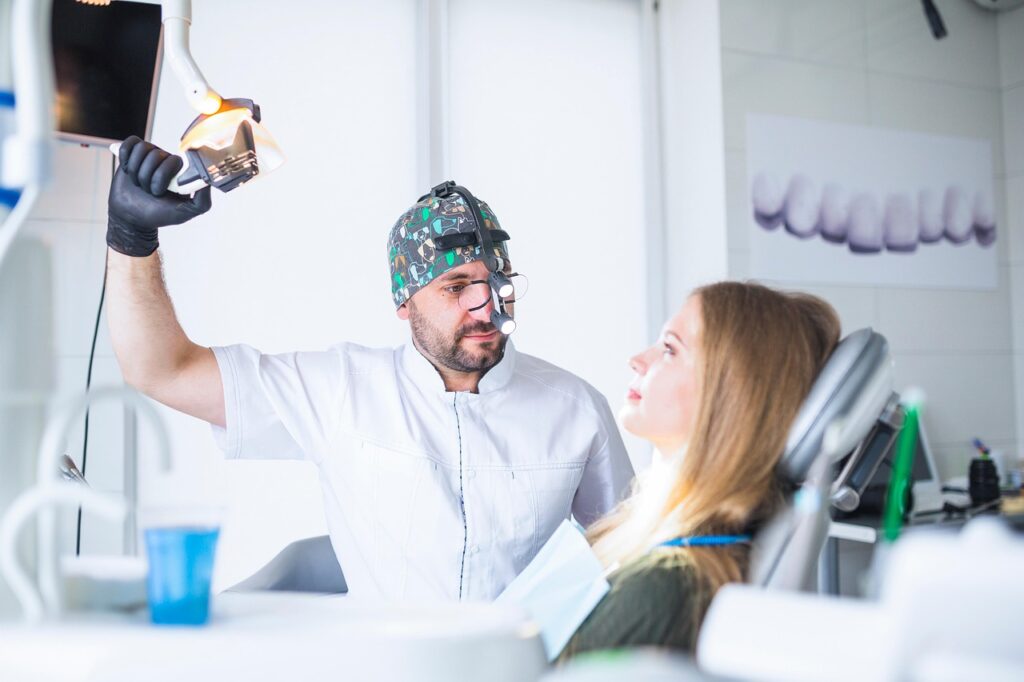
Managing TMJ Jaw Disorders: The Role of Oral and Maxillofacial Surgery

Some of us are familiar with jaw aches and the difficulty of performing daily tasks such as speaking and chewing. While some of these pains can be treated with medication, physical therapy and lifestyle changes, what happens when these solutions don’t work? This is where oral and maxillofacial surgery comes through. This surgery is used to treat Temporomandibular joint (TMJ) disorders; a type of temporomandibular disorder or TMD that causes significant discomfort when performing day-to-day activities.    The exact cause of the disorder is often hard to determine, however, it can be due to a mix of factors such as teeth clenching, gum chewing and nail biting; stress; and painful conditions that occur along with TMJ disorder such as fibromyalgia, osteoarthritis or jaw injury. Most often, the pain that comes along with TMJ disorders can sometimes be treated with self-managed home care and physical therapy, but for more severe cases, surgery may be required.    If you suffer from the aforementioned symptoms and are unsure of when you should see an oral surgeon in Singapore, keep reading this article. We will help you better understand what TMJ disorders are, why they should be treated, and when you should consult an oral maxillofacial surgeon in Singapore.    Is Oral and Maxillofacial Surgery an Effective Treatment?   The longer you leave a TMJ disorder untreated, it’s more likely your symptoms will worsen. While TMJ disorders originate in the jaw, it causes symptoms that go far beyond the temporomandibular joints. A few of the consequences of leaving TMJ disorders untreated are:   Chronic jaw pain and joint damage Over time, the TMJ disorder symptoms will progress resulting in other symptoms like cracking, popping, and locking of the jaw. This can also go beyond your joints, with discomfort and inflammation throughout your face, neck, and shoulders.    Once the joints on your bone are damaged, you may need a surgical solution to alleviate the pain. A proactive approach to TMJ pain will minimise permanent joint damage or dislocation of the jaw.    Recurring migraines or headaches Headaches and migraines are actually common symptoms of TMJ disorders. These headaches can be either chronic or debilitating as they are triggered by the dysfunction in the joint. Taking painkillers will numb the pain momentarily, but, once they wear off, the pain will be back because the underlying cause has not been treated. This certainly can hamper your quality of life, making it difficult to focus on tasks at school, office, or even doing household chores.    Sleep apnea Studies suggest that there is a correlation between TMJ disorders and sleep apnea. Therefore, treating the symptoms of TMJ disorders may alleviate symptoms of sleep apnea.    The aforementioned conditions can really impact your day-to-day life and even lead to serious complications further down the line; that’s why we recommend you get TMJ disorders treated as soon as possible. Of course, to know that you’re suffering from the condition, you will need to understand the symptoms and types of TMJ disorders you could get; here are a few:   Internal derangement of the joint This is a structural symptom wherein a dislocated jaw, displaced TMJ disc or injury to the lower jaw can result in TMJ disorders.    Degenerative joint disease Caused by the overuse or ageing of the joint can cause degeneration and/or inflammation. This may be a result of osteoarthritis, rheumatoid arthritis or a perforated TMJ disc.   Myofascial pain disorder Pain and discomfort in the muscles around the jaw joint can result in TMJ disorder. This pain may be the result of abnormal muscular function, daytime clenching or nocturnal grinding (bruxism).   To treat TMJ disorders, if it’s in an aggravated state, doctors might recommend getting oral and maxillofacial surgery, and there are a few compelling reasons why:   It provides longer-term relief from discomfort and improves overall oral health. It can restore the alignment and function of the jaw, allowing for better chewing, speaking, and overall jaw movement. It improves your facial symmetry. It enables individuals to enjoy a pain-free and functional jaw for years to come. The treatment plan to achieve these benefits will differ for each patient, therefore, you must consult an oral surgeon in Singapore to truly understand the treatment option best suited for you.    Where Can You Get Oral and Maxillofacial Surgery?   If you’re looking for competent oral surgeons and customised treatment options for TMJ disorders, we at the Dental Essence Tanglin dental clinic offer all of this and more! Our dedicated staff will ensure you have a smooth procedure from beginning to end, treating you with the utmost care.    If you want to book an appointment for an oral maxillofacial surgeon in Singapore, contact us today!

Managing TMJ Jaw Disorders: The Role of Oral and Maxillofacial Surgery Read More »
Cosmetic Dentistry Vs. Orthodontics: Which Do You Need?

Cosmetic Dentistry Vs. Orthodontics: Which Do You Need?

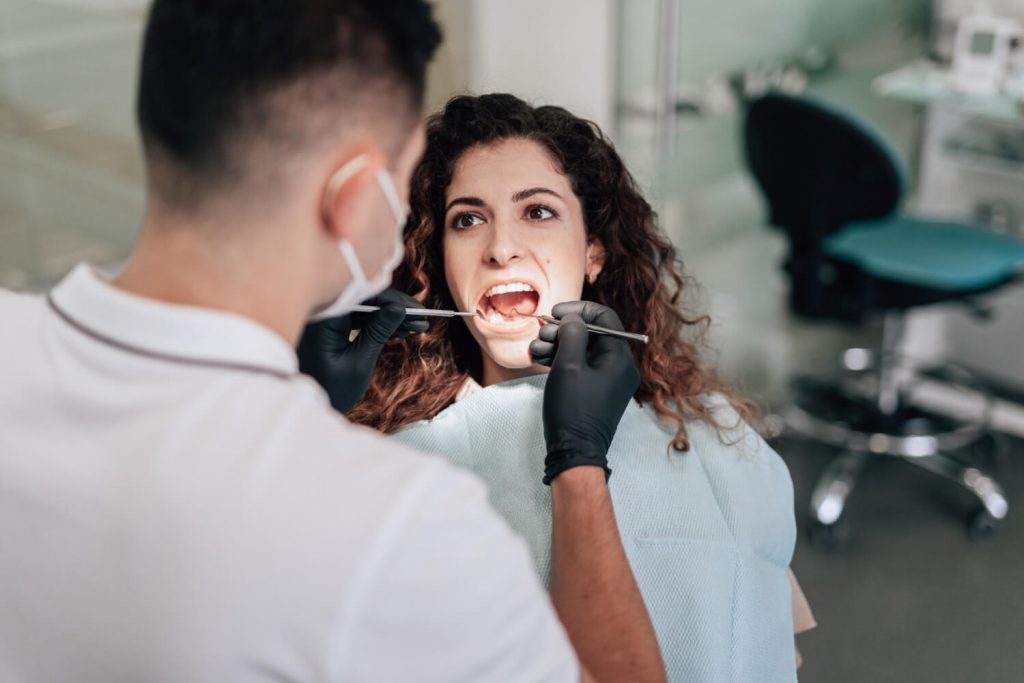
Dental treatments are typically sought for two reasons: to improve dental health and enhance one’s appearance. While some of us struggle to correct misaligned teeth or other dental issues, others may just want brighter teeth and a more aesthetically pleasing smile. Although the procedure you require may seem clear-cut depending on your requirements, there are instances where overlaps occur between cosmetic dentistry and orthodontic procedures, which can make it difficult to choose. Furthermore, your dental condition could require you to undergo a mix of these procedures.    In this article, we will discuss the basic premise surrounding cosmetic dentistry in Singapore and orthodontics; understanding the differences, overlaps and why in some cases you need a mix of the two. Additionally, we will briefly touch on how important it is to consult a dental surgeon when making these decisions.  Differences and Overlaps Between Cosmetic Dentistry and Orthodontics While dental cosmetic dentistry and orthodontics are two distinct fields, they often intersect with their objectives and treatment approaches.    Cosmetic dentistry primarily focuses on enhancing the visual appearance of teeth. Procedures in this category are designed to improve colour, shape, size, and overall aesthetics rather than functionality. Common treatments include:   Dental Implants – Used to replace missing teeth, restoring both function and aesthetics. Veneers – Thin porcelain shells placed over the teeth to correct discolouration, minor misalignment, or damage. Teeth Whitening – A popular procedure to remove stains and brighten the smile. Teeth Bonding – A method of fixing chipped or cracked teeth by applying a tooth-colored composite resin. Orthodontics addresses structural and functional issues such as misaligned teeth and bite problems. Common orthodontic treatments include:   Braces – Metal or ceramic brackets connected by wires that gradually straighten teeth over time. Aligners – Clear, removable trays (such as Invisalign) that correct misalignment discreetly. Myobrace – A pre-orthodontic treatment aimed at correcting oral habits that may lead to misaligned teeth. Treatments in this field aim to correct dental irregularities that can impact oral health.  Despite these differences, the two fields often overlap. Orthodontic treatments like braces and aligners not only improve function but also contribute to a more attractive smile. Additionally, cosmetic dentistry can sometimes require orthodontic work beforehand to achieve the best results. Understanding these distinctions and overlaps can help individuals make informed decisions about their dental care.    Let’s explore a few examples of these overlaps:   Teeth straightening:  The main purpose of braces is to straighten and properly align teeth, thereby improving the overall jaw health of an individual. It’s also a good preventative measure against TMJ (temporomandibular joint) disorders, as crooked teeth can be a cause of it. However, teeth straightening has other benefits too; straighter teeth are easier to maintain, leaving them a clean, bright, and aesthetically pleasing smile. Therefore, in such cases, braces eliminate the need for any further cosmetic work and overlap with the field of cosmetic dentistry.     Differing mindsets: Whether cosmetic dentistry and orthodontics overlap is quite dependent on the mindset of the patient. For instance, certain patients need more reassurance that their misaligned teeth can be fixed to reduce their appearance concerns.   While both orthodontists and cosmetic dentists work on improving teeth, they deal with different types of patients. Orthodontists address both functional dental issues, while cosmetic dentists mainly focus on aesthetics. The way dentists communicate and treat these patients should be tailored to their different concerns and mindsets.   Combining cosmetic dentistry and orthodontics:    In certain situations, you can achieve the best results by combining both these fields of dentistry. This is because jumping into cosmetic work may do more harm than good; drilling the teeth can cause them to thin out and cause a loss of tooth structure. To combat this issue, start with an orthodontic procedure which will provide a solid foundation for any further cosmetic work.   An example of this would be a patient opting for veneers to make their teeth appear straighter. While veneers achieve the goal in the short term, they could create lasting damage, causing the misaligned teeth to break off; this happens because the underlying issue is not treated. Instead, a better solution would be to undergo orthodontic treatment to correct alignment and then apply veneers to perfect the smile.   Getting Customised Treatment Plans with Dental Essence!   As you can see, there are a lot of factors to consider before opting for either treatment option. Furthermore, to make the selection, you should have extensive knowledge of dentistry and understand the benefits and or risks of each procedure. Hence, your best option would be to consult one of our competent dental surgeons at Dental Essence Pte. Ltd. We offer many services, namely, but not limited to: cosmetic dentistry procedures such as dental veneers, and whitening, and orthodontic procedures like braces and Myobraces.    If you want to achieve a healthy and glowing smile, book a consultation with us today. 

Cosmetic Dentistry Vs. Orthodontics: Which Do You Need? Read More »

Questions to Ask Your Dental Surgeon Before Straightening Your Teeth

Questions to Ask Your Dental Surgeon Before Straightening Your Teeth

Straightening your teeth is a significant decision that affects both your oral health and appearance. A properly aligned smile not only boosts your confidence but also improves overall dental health by making it easier to clean your teeth, reducing the risk of cavities, gum disease, and jaw problems. Whether you are considering traditional braces, clear aligners, or another orthodontic solution, it is essential to gather as much information as possible before making a decision.   This blog article outlines essential questions to ask dental surgeons before starting treatment. These questions will help you determine the best treatment option, understand the risks and side effects, and prepare for the lifestyle adjustments required during the process. By gathering the necessary details in advance, you can ensure a smooth and successful journey toward a healthier, straighter smile.    The Importance of Consulting Dental Surgeons    Consulting dental surgeons is a critical first step in this procedure. Since teeth straightening is a long-term commitment, understanding the procedures, costs, potential challenges, and outcomes is crucial. Every individual’s dental structure is unique, and what works for one person may not be the best solution for another. That is why asking the right questions during your initial consultation can help you make an informed choice tailored to your specific needs.   Here are some questions to consider before committing to a teeth-straightening procedure:    Which teeth straightening procedure should I undergo? Every patient’s dental condition is unique, so it’s important to understand all the available treatment options. For example, Invisalign in Singapore is a very popular treatment option due to its convenience and aesthetic appeal, affording a natural smile that makes it as though patients aren’t even undergoing any dental treatment. While it is a desired option, you must ask a dental surgeon in Singapore whether it will be effective for you. This is because Invisalign also has its limitations and traditional braces could be a better alternative in these situations.    How long will the treatment take? The duration of teeth straightening varies based on the complexity of your case and the chosen treatment method. Your dental surgeon can provide an estimated timeline so you can plan accordingly. Some treatments may take only a few months, while others could take years. Depending on your lifestyle and the time you can afford for a teeth straightening procedure, your dental surgeon will give you a customised treatment plan.    Can I see examples of teeth straightening results similar to mine? Once you and your dentist have decided on which treatment you should undergo, you can ask your dentist what the expected outcome could be. Often, a digital simulation can be performed pre-treatment to give you an idea of the outcome. Of course, it’s important to keep in mind that individual outcomes may vary.    What lifestyle changes do I need to make? With certain teeth straightening procedures, you will need to make changes in your eating habits and hygiene. For instance, if you choose metal braces, you will need to be careful about what you eat and drink, as sugary and sticky foods can damage the brackets and wires of your braces, and if not cleaned properly, you can be at risk of tooth decay and gum disease. On the other hand, Invisalign clear aligners do not have these restrictions. Therefore, the lifestyle changes you make will depend entirely on the teeth straightening procedure chosen and your dental condition.    How often do I need to visit the doctor? Once again, the number of visits you make to a dental clinic will depend on the teeth straightening method you have chosen. If you have metal braces, you will most likely need to visit your doctor every three to four weeks so they can tighten your braces. However, if you have Invisalign aligners you may only need to visit your doctor every six to eight weeks.    Is it okay to get my teeth straightened if I am pregnant? Getting braces will not harm you or your baby, however, most dentists recommend that you get X-rays for your teeth straightening procedure before your pregnancy. This is to prevent exposure to radiation to the foetus. While orthodontists do have protective devices to cover your abdomen during the X-ray it’s always better to take precautions.    Is it okay to get my teeth straightened at my age? People of all ages can get their teeth straightened—it’s neither too early nor too late to get the smile you desire. In the case of Invisalign clear aligners, even children as young as six years old can get the procedure done. Furthermore, this teeth straightening method is no different for adults either!   straightening is an investment in your smile and oral health. By asking these important questions before beginning treatment, you can make a well-informed decision and feel confident in your choice. If you’re looking for a dental clinic that offers safe and customised treatment plans, Dental Essence is here to help!   Caring for more than 16,000 patients since 2009, Dental Essence has competent and dedicated dentists in this field, ensuring a smooth procedure from start to finish.    Book an appointment with us today to achieve the smile of your dreams!

Questions to Ask Your Dental Surgeon Before Straightening Your Teeth Read More »

Orthodontist demonstration

DENTISTRY FOR KIDS IN SINGAPORE: YOUR LITTLE ONE’S TEETH ARE IMPORTANT TOO!

DENTISTRY FOR KIDS IN SINGAPORE: YOUR LITTLE ONE’S TEETH ARE IMPORTANT TOO! Bringing your little one to a dentist for the first time can be a daunting experience for both parent and child. However, instilling a good first impression can help your child view dental care in a positive light in the long run. Although it can be nerve-wrecking initially, exposing your child to a pediatric dentist early on can also help them to get used to the experience in general. Also, establishing a healthy dental care routine such as brushing and flossing regularly are definitely good habits to instil in childhood. To help you understand more about dentistry for kids, we’ll be exploring why it’s so important and how we can make the first experience a comfortable one. Dental care for infants and children Positive feelings towards dental care stems from one’s earliest dental experiences as a child. Hence, proper dental care for infants and children can play a huge role in getting them on the right track towards a healthy dental care journey. In addition to providing a safe environment for your child, a good kid’s dentist should also have a team of pediatric dentists and nurses to help your child feel calm and at ease during their visit. Why is dentistry for kids important? No matter how young your child is, proper care of their baby teeth is extremely important. Besides aiding with speech development, your child’s baby teeth also plays a huge role in developing his / her facial muscles and jawbones. Since most children’s baby teeth start to fall off at the age of 6, proper care is paramount to prevent and treat tooth decay. If a decaying baby tooth is not addressed immediately, it can lead to premature tooth loss and increases the risk of crooked permanent teeth later on. Making your child’s first visit a comfortable one Although it is normal for kids to fidget and feel anxious in the dentist’s chair, we have various management methods to help make their experience a comfortable one. Positive reinforcement This is an important one! Aside from exposing your child to dental care early on, positive reinforcement can do wonders in creating a good first experience. In addition to verbal praise and words of encouragement, little rewards like a star sticker or even a badge can help to boost your child’s confidence in the dentist’s chair. Give them control When your child feels in control, he / she will be less likely to feel anxious at his / her first visit to the dentist. Hence, it is important to let them know that they have the say when it comes to stopping the dental checkup or treatment whenever they start to feel uncomfortable. Also, a dentist who follows through with your child’s wishes can instil further trust and confidence in your child. Demonstrations and open communication Kids (and even adults sometimes) fear what they do not know or understand. So to put your child at ease, it is important that your child’s dentist takes the time to explain and demonstrate the procedure on a 3D tooth model. Knowing what will happen can help put your child’s fears and anxieties to rest. Distraction methods To further help put your child at ease during a visit, it helps to incorporate distractions such as music or cartoon shows while they’re in the dentist’s chair. Additionally, even talking to them calmly and in an assuring manner can help to divert their attention away from the dental procedure. IV sedation or general anesthesia When dealing with kids with special needs or severe anxiety, IV sedation or general anesthesia is a potential option to allow for a smooth-sailing procedure. While it may feel alarming to put one’s child under IV sedation, pediatric medical literature shows that the risk of a serious reaction is very low (in the range of 1 in 25,000 to 1 in 200,000). On the other hand, the risks of not having proper dental treatment include toothache, tooth decay, infection and damage to future permanent teeth. The types of dentistry services for kids in Singapore Pediatric oral hygiene and dental checkup According to the American Academy of Pediatric Dentistry, all kids should have their first dental checkup by their first birthday. Also, 50% of children in Singapore experience Early Childhood Caries by 6 years of age. Thus, early dental care is vital to keeping this prevalent form of tooth decay in check. Extractions Generally, extractions can be an unpleasant experience. However, a pediatric dentist takes great care to keep the child feeling comfortable throughout the procedure. Fissure sealants Childhood tooth decay tends to show up on the biting surfaces of a child’s baby and permanent molars. Hence, fissure sealants serve as a preventative treatment to seal these surfaces to prevent them from trapping food and causing cavities. Crooked teeth prevention and treatment Early baby tooth loss can potentially result in crooked permanent teeth in the future. So to prevent this early tooth loss, management is essential in correcting certain habits like sucking on thumbs as well as pacifiers. Pulpal therapy for children Because children’s baby teeth are thin and contain larger pulps, they are more prone to cavities and nerve infections. As you know, the pulp carries the tooth’s blood vessels and nerves – both of which deliver oxygen and nutrients to the tooth. Hence, damage to the pulp can lead to infections and early loss of the baby tooth. To save the tooth, pulpal therapy helps to preserve the structure of the tooth without the need for extraction. Fillings and crowns Tooth-coloured fillings that are free of toxic metals like mercury can safely restore your child’s confidence in his / her smile. On the other hand, stainless steel crowns are a good option for baby teeth that are too worn out for regular fillings. Frequently asked questions When should I bring my little one for his / her first dental checkup? It is recommended to bring your child

DENTISTRY FOR KIDS IN SINGAPORE: YOUR LITTLE ONE’S TEETH ARE IMPORTANT TOO! Read More »

Orthodontist demonstration

ALL YOU NEED TO KNOW ABOUT DENTAL SCALING AND POLISHING IN SINGAPORE

ALL YOU NEED TO KNOW ABOUT DENTAL SCALING AND POLISHING IN SINGAPORE We are often advised to visit the dentist twice a year to ensure our dental health. If you have  been taking that advice you probably already know that during these visits, you will go through a scaling and polishing procedure which is often referred to as teeth cleaning. But you may wonder what it is all about.And if you have not been going to those recommended visits; What is scaling and polishing, and why is this procedure so important you ask? Read on to know all about it as we provide you with the answer to all your concerns! What is Teeth Scaling and Polishing? Teeth Scaling and Polishing is one of the most common services conducted by dentists. You are advised to go through this procedure because despite the daily brushing and flossing of your teeth, plaque is still able to build up which in the long run, could potentially cause gum diseases or tooth decay. Hence, these check ups for a cleaning session is necessary.  The scaling procedure is done to remove hardened plaque called calculus which causes teeth damage and gum diseases. The removal is done using ultrasonic scalers to make sure that no damage is done to the teeth through the use of ultrasonic vibrations. In the past, hand scalers were used, but this modern device can do it in a much shorter period of time.  Image Source: Shutter Stock Polishing is often followed after scaling as scaling leaves the teeth feeling rough. The device used during polishing is a spinning polishing brush or cup that removes stains and left over plaque on the surface of your teeth while smoothening the external surface of your teeth. The reason this smoothening procedure is included is because it will make it harder for dirt to attach itself to your teeth due to the smooth and less frictional texture disallowing it to do so.  The cleaning session often ends with the application of a concentrated fluoridated gel when your dentist sees it necessary. If you have gone through it before you may have realised its distinct sweet flavour. This gel is lathered on to prevent tooth decay by making your teeth resistant to bacteria. Why Should I Go Through Scaling and Polishing Procedures for my Teeth? Brushing and flossing your teeth may slow down the growth of plaque and tartar, but they will eventually form nevertheless. To ensure the health and glow of that smile, scaling and polishing your teeth is recommended. When the dentist scales and polishes your teeth you will surely come out of their clinic with a brighter and fresher smile than before. Teeth stains, especially extrinsic teeth stains caused by your diet (coffee, tea, and red wine) and tobacco consumption is inevitable at some point. Polishing your teeth at the recommended time would ensure that you maintain that bright white smile.  On the other hand, harmful bacteria that could cause gum inflammation and tooth decay is able to live and prosper in the plaque and tartar in your teeth as well as under your gums. Professional scaling and polishing will remove the tartar build up while your dentist can spot any irregularities on your teeth that may be harmful such as cracks. Continue to visit the dentist regularly to ensure your overall dental health and that any signs of detrimental dental issues can be spotted early on.  To add on to these facts, scaling and polishing at the recommended rate can save you from bad breath! Say goodbye to bad breath and hello to a fresh and confident smile through scaling and polishing. If you need further reasons as to why you should go through with the procedure, let us tell you that scaling and polishing is fundamental to many dental procedures including getting braces, invisalign, teeth whitening, cosmetic filling and more. This is because it ensures the cleanliness of the area that is focused on in the mentioned procedures. For instance, during teeth whitening, scaling and polishing is done to clean the surface of your teeth so that the whitening agents are not blocked by tartar or stains on your teeth. Another instance is when getting fillings done, your teeth go through the procedure in order for the fillings to not get contaminated.  How Does The Process of Scaling and Polishing Go? Image Source: Shutterstock First of all, once you have made your appointment and called into the dentist’s office, your dentist will examine the condition of your teeth and gums which will then be proceeded with scaling and polishing.  The scaling process will be done by removing the plaque and tartar on your teeth and the line of your gum through the use of an ultrasonic cleaning tool. In some instances, Root-Planning might be required to remove tartar that is attached on the root surfaces of the gum. This is usually done with the traditional hand scaling tool.  The next step is polishing. Once scaling is completed, the teeth might feel a little rough and have some stains on the surface of the teeth. For tough stains, an air-powder spray is used while in usual circumstances a rotating brush with cleaning paste is used. Your teeth will look smooth and glossy after this procedure. On top of that, polishing will also make your teeth easier to clean and maintain at home because the smooth surface makes it hard for plaque to stick.  With that, you’re all done! Walk out with a fresher, brighter, and cleaner smile into your next pursuit.  Frequently Asked Questions Next, we have the periapical radiograph which is a smaller type of X-ray that captures the precise image of a specific section of teeth from the roots to the crown. It is also able to capture an image of the bony mass surrounding the roots of a tooth. Normally, the periapical radiograph is used to assess the ligaments around the roots of a tooth to detect a possible

ALL YOU NEED TO KNOW ABOUT DENTAL SCALING AND POLISHING IN SINGAPORE Read More »

Dental branding graphic (appears duplicate)

DENTAL EMERGENCY IN SINGAPORE

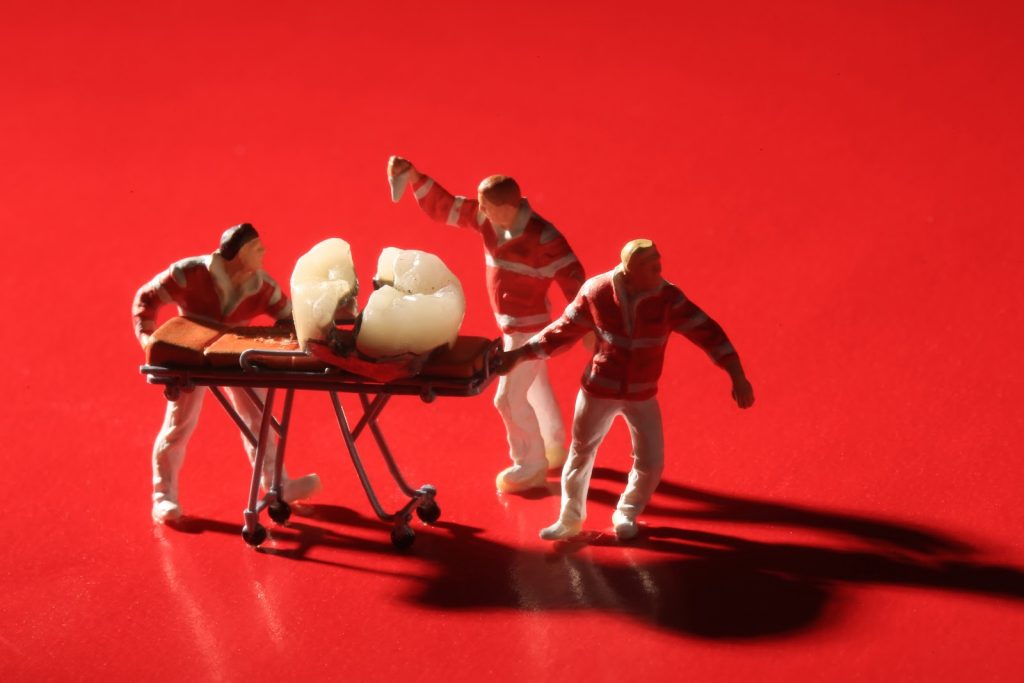
DENTAL EMERGENCY IN SINGAPORE Toothaches or dental accidents can be very bothersome and painful especially when there is no professional to advise you during public holidays, vacations, or in the middle of the night. The pain that comes with your toothache can vary. Some experience mild discomfort while others go through unbearable pain depending on what the cause of the pain is. This pain can be caused by gum disease, jaw joint problem, exposure of the root canal, or an infection. Urgent attention is needed if you are feeling abnormal pain that shoots up from your teeth to your eye or near your ears. The wisest decision in this circumstance of a toothache or a dental accident, is to contact a dentist immediately, or in the case of public holidays and such, look for an emergency dental clinic.  Top Issues That Would Require Emergency Dental Services Image Source: Shutterstock Some dental emergencies such as toothaches can be solved at a typical dental clinic. However, some dental emergencies require urgent attention. So what are instances of these urgent situations?  Fractured or Broken Tooth Teeth are very strong, but it is possible for them to fracture or even break. This can happen in a number of ways such as:  Biting down on something hard Being hit in the face or mouth Falling/Trauma Having cavities that weaken the tooth Having large, old amalgam fillings that do not  support the remaining enamel of the tooth Trauma on the mouth area can often lead to painful fractures in your tooth or break it all together. Accidental injury or trauma that caused the fracture or break can lead to unbearable pain or discomfort. In most cases, such incidents would happen to sports athletes or children from taking playtime too far. Fractures can be solved with crowning or filling the tooth. In instances where the pain is involved, dentists would perform root canal therapy.In the case of a broken tooth, be sure to visit the dentist right away so they can figure out if the tooth’s nerve is in danger. A damaged nerve usually will require root canal treatment. Before you go for your visit to the dentist, here are some things you can do when you have a broken tooth: Thoroughly rinse your mouth with warm water Apply pressure with a piece of gauze on any bleeding areas for around 10 minutes or until the bleeding stops. You may also use a tea bag to put pressure on the area to stop the bleeding. Apply a cold pack to the cheek or lips over the broken tooth. This will help reduce swelling and relieve pain Cover your tooth with dental cement if you are unable to reach your dentist right away. Dental cement is typically sold in pharmacies. Take an over-the-counter pain medication. Lost or Broken Crown Breaking the crown on your teeth is not a rare occasion. Most of us expect to have our dental crown last for a decade or more but accidents can happen and the crown can break. The first thing to do after breaking or losing a crown is to inspect the area. Failing to take immediate care of the breakage can result in serious dental problems. Here are some instances of when you would need to go for an emergency visit to your dentist:  If the crown or underlying tooth has a jagged edge or angle that can injure your tongue or inner cheek You are experiencing unbearable pain The crown is dangling or can be a choking hazard You are unable to entirely remove the crown Dental Decay Dental decay may happen when the tooth’s enamel and dentine softens due to an acid attack from the consumption of sugary foods and drinks. After some time, this acid will create a cavity on the tooth. It may take a while before you feel pain on a decaying tooth. Trying to ignore that discomfort may worsen the decay and cause serious problems such as swelling, unbearable pain, and abscesses. Dental decays can be solved through a root canal treatment. There are 5 stages to a tooth decay:  Stage 1This stage is called the initial demineralization. At this stage, the enamel will lose minerals and a white spot can be seen as an indication of the beginning of a tooth decay.  Stage 2In the instance where the first stage goes unnoticed and untreated, the enamel will further break down and result in cavities forming on your teeth. Stage 3This stage is referred to as the dentin decay stage. Following enamel decay in the second stage, the dentin which is the tissue that is under the enamel will start to decay as well once the enamel is stripped down. It is a much softer tissue compared to the enamel which makes it decay easier and faster.  Stage 4After going through the dentin, the decay would then reach the pulp of the tooth. The pulp contains nerves and blood vessels that maintain the health of your tooth. You may begin to feel and notice swelling near the infected tooth. The pressure from this swelling will cause some level of pain, sometimes unbearable. Stage 5At this stage, the decay that has reached the pulp would cause an infection. This can lead to the formation of abscess. At this point symptoms such as swelling of the gums, face or jaw, fever, and swollen lymph nodes in your neck may be present. You may experience severe pain at this stage and would need an emergency visit to your dentist. Infection Also known as abscess, an oral infection can trigger severely painful toothaches. Getting an emergency X-ray or CT scan to identify the root problem is important. In some cases, a root canal can do the trick, however some situations may call for a total extraction if the tooth is unable to be saved. If you are unable to reach your dentist when you notice symptoms of abscess, you are advised to go to an emergency room. In severe cases,

DENTAL EMERGENCY IN SINGAPORE Read More »

C0A76BF0-28A1-4122-B0E6-74FCFF5D6D37

DENTAL X-RAYS IN SINGAPORE: EARLY DETECTION COULD SAVE YOU!

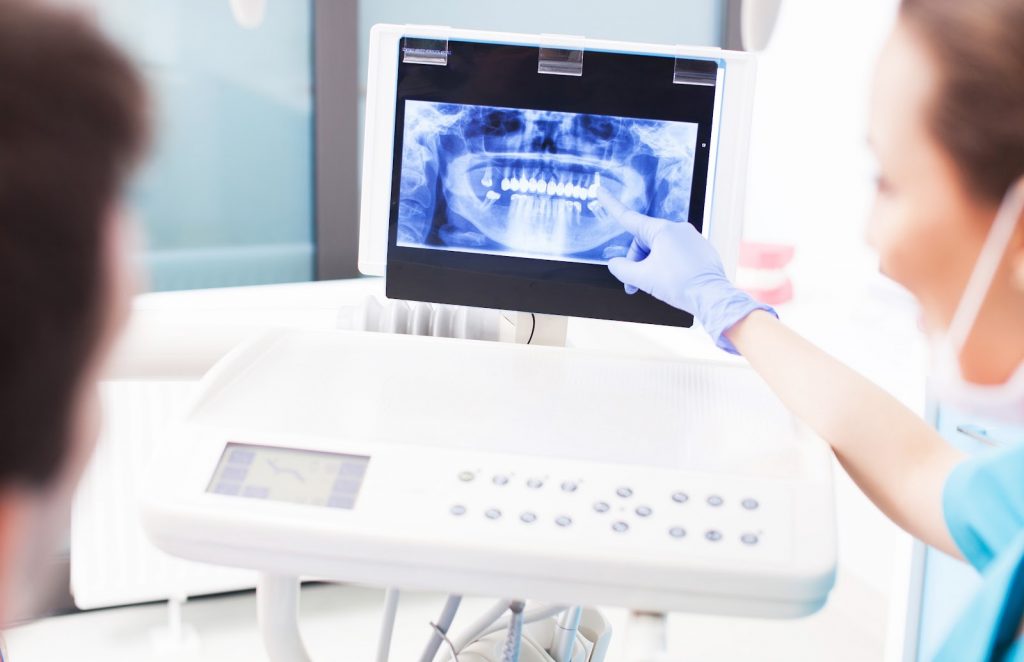
DENTAL X-RAYS IN SINGAPORE: EARLY DETECTION COULD SAVE YOU! Grappling with a toothache? A toothache could be a symptom of an underlying issue such as tooth decay, an impacted wisdom tooth or even a tooth fracture. To determine the root cause of a toothache, dental X-rays can prove beneficial in detecting the presence of tooth decay and identifying possible dental abnormalities. In turn, this allows early intervention to take place to prevent these issues from worsening over time. Here, we will be taking a closer look at dental X-rays and answering some of your most frequently asked questions. What are dental X-rays? Also known as radiographs, dental X-rays are images of your teeth that help dentists evaluate the condition of your teeth, gums and jaw bone. Using low levels of radiation, dental X-rays capture interior images of your teeth and gums. This helps dentists determine if there are underlying issues such as tooth decay, fractures and even impacted teeth. Why do we need dental X-rays? Dental X-rays help give dentists a clearer image of your oral health to treat and prevent potential dental abnormalities. In addition to routine checkups, they help to detect issues that may be present under the surface of your teeth and gums. If left unchecked, gum disease and impacted wisdom teeth can lead to toothaches and painful infections. Hence, it is important to address such issues early on to prevent complications from arising over time. The types of dental X-rays in Singapore Dental X-rays consist of two key categories. On one hand, we have an intraoral X-ray which takes place inside the mouth. On the other, we have an extraoral X-ray which takes place outside of the mouth. Because these X-rays only use low level radiation, they are considered safe to use. In fact, this level of radiation is only equivalent to several hours of exposure to the natural radiation in our environment. We also help to further limit our patients’ exposure to such radiation by having them wear a lead apron or a thyroid shield when having their dental X-rays taken. Overall, there are several types of radiographs available in Singapore that serve different functions Orthopantomogram (OPG) The name orthopantomogram is quite a mouthful, so we tend to use the abbreviation OPG when referring to this 2D radiograph. Also known as a panoramic radiograph, OPG allows dentists to view the patient’s entire mouth in one single image. This includes their teeth, gums and jawbone. Think of it as getting a bird’s eye view of your entire dental structure! The OPG is particularly useful for evaluating the growth and positioning of a patient’s wisdom teeth. Moreover, it only takes less than 60 seconds for the OPG machine to encircle you and have your X-ray taken. Periapical Next, we have the periapical radiograph which is a smaller type of X-ray that captures the precise image of a specific section of teeth from the roots to the crown. It is also able to capture an image of the bony mass surrounding the roots of a tooth. Normally, the periapical radiograph is used to assess the ligaments around the roots of a tooth to detect a possible infection in the bone surrounding the tooth. Bitewing Similar to the periapical radiograph, a bitewing X-ray is able to show a detailed image of a specific section of teeth. However, the bitewing is more suitable for evaluating the crowns of the top and bottom back teeth on each side of the mouth in a single image. This allows dentists to check for tooth decay that may be present in between the back molars that can be difficult to see at a superficial level. Since both the periapical and bitewing are intraoral X-rays, they can be done conveniently in the comfort of a dental chair. Cone-Beam Computed Tomography (CBCT) When a regular 2D X-ray is not sufficient, a dentist will incorporate a CBCT instead. Unlike the OPG, the CBCT produces 3D images of a patient’s teeth, jaw bone, gum tissues as well as nerve pathways in a single scan. Hence, this form of 3D imaging is particularly beneficial for charting out dental implants. It can also help dentists to plan and execute the safe and effective removal of impacted wisdom teeth. Lateral Cephalogram Finally, we have the lateral cephalogram which takes a profile X-ray of a patient’s entire head and skull. This type of X-ray is suitable for planning out orthodontic treatments and diagnosing sleep apnea and temporomandibular joint disorder (TMJD). Frequently asked questions Are dental X-rays safe? Yes, dental X-rays are safe because they only use a low level of radiation. Also, wearing a lead apron or a thyroid shield can further help to minimize a patient’s exposure to this radiation. Is it safe for a pregnant woman to get a dental X-ray? Although it is advisable for pregnant women to avoid dental X-rays, dental emergencies may necessitate the need for a radiograph. To limit their exposure to any radiation, we will provide them with a lead apron or a thyroid shield during the scan. Aside from that, it is generally safe for women who are breastfeeding (or who are trying to get pregnant) to get a dental X-ray. Can I request for a copy of my dental X-ray? Yes you most certainly can! You can either request for a copy to be sent to you via email, in a CD or you can even take a picture of the X-ray using your phone’s camera. How much does a dental X-ray cost? The cost of your dental X-ray can vary depending on the type of radiograph you are getting as well as the location of your dental clinic. Here is a summary of the average costs according to the different types of dental X-rays available in Singapore: Type of Dental X-Ray Price Range Orthopantomogram (OPG) $70 – $150 Periapical / Bitewing (Intraoral) $25 – $50 Cone-Beam Computed Tomography (CBCT) $150 – $300 Lateral Cephalogram $150 – $300 Yes, dental X-rays are safe because

DENTAL X-RAYS IN SINGAPORE: EARLY DETECTION COULD SAVE YOU! Read More »

FC205ABA-B0EC-4BF8-A754-78E912DC4CED

TEETH WHITENING IN SINGAPORE: TYPES, BENEFITS AND HOW IT WORKS

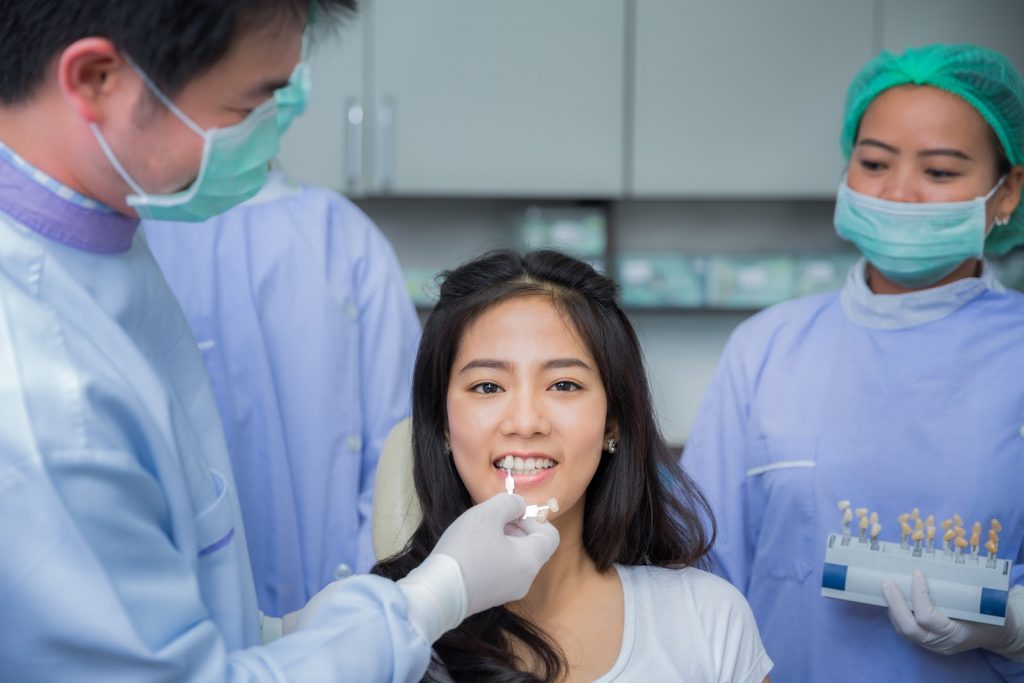
TEETH WHITENING IN SINGAPORE: TYPES, BENEFITS AND HOW IT WORKS Teeth whitening procedures can undoubtedly help to restore one’s self-confidence in one’s smile. Although teeth discolourations are a normal part of life, dental whitening is a common procedure to improve the colour and shine of one’s teeth. To help you understand what this treatment entails, we will be taking an in-depth look at the various methods of teeth whitening in Singapore and how they work. The types of teeth stains First of all, let’s talk about the different types of teeth stains that one can have. Aside from consuming teeth-staining beverages like coffee or tea, the natural process of ageing can also cause discolouration of the teeth over time. Extrinsic stains Like its name suggests, extrinsic stains refer to stains that appear externally on the surface of the teeth. These stains tend to reside and build up in the thin coating of protein that covers the enamel of your teeth. Normally, extrinsic stains can develop when there is a continuous consumption of stain-causing beverages such as coffee, tea, soda and even red wine. Tobacco can also cause extrinsic stains to form on the teeth. Although these stains can look quite severe in some cases, you can easily remove them and keep them in check with routine dental cleaning and whitening toothpastes. Intrinsic stains On the other hand, intrinsic stains are stains that form below the surface of your teeth. Normally, this type of staining occurs when stain particles penetrate the surface of your teeth and accumulate within the enamel. They can sometimes be the result of excessive fluoride consumption during childhood, tooth decay or bleeding from blunt force trauma. Unlike extrinsic stains, these stains are more difficult to remove and will require the use of professional bleaching chemicals and teeth whitening treatments. Age-related discolouration As we get on in years, our teeth can accumulate both extrinsic and intrinsic stains over time. Teeth discolouration is a normal part of the ageing process as the dentin in our teeth tends to turn yellow as we age. Moreover, the enamel of our teeth also starts to wear down thus exposing more of the yellowing dentin underneath. How teeth whitening works Image Source: Shutterstock Our teeth consist of an outer enamel layer and an inner layer of dentin. Since the enamel layer of our teeth is quite porous, this allows stains to penetrate the teeth and result in discolouration over time. Whether you are using a teeth bleaching kit at home or getting a professional teeth whitening procedure, both instances incorporate whitening solutions that penetrate the enamel layer of the teeth. Normally, teeth whitening solutions contain either hydrogen peroxide or carbamide peroxide. After allowing these solutions to penetrate the teeth, we will use an activator (a light or heat source) to oxidize the discolouration molecules, thereby effectively whitening the teeth. Different methods of teeth whitening in Singapore Different types of stains call for different teeth whitening treatments. Before proceeding with whitening your teeth, it is advisable to consult your dentist to formulate your treatment plan. Identifying the root cause of the discolouration can also be helpful in charting out a more effective course of treatment. In-office teeth whitening Also known as chairside teeth whitening, this is a professional teeth whitening procedure that you can only get from board certified dentists. Unlike at-home whitening kits, in-office teeth whitening is much more effective and provides quicker and more long-lasting results. This is because of the higher dosage of hydrogen peroxide or carbamide peroxide that is present in the whitening solutions. Also unlike at-home kits that take time, professional teeth whitening only requires one session to yield the desired results. Take-home teeth whitening kit Based on a dentist’s discretion, a patient can be given a take-home teeth whitening kit that contains a higher concentration of hydrogen peroxide than regular over-the-counter whitening kits. The kit also includes custom-made bleaching trays that fit your teeth perfectly as well as whitening gels that you can use at home. Moreover, your dentist will also advise on the amount of hydrogen peroxide solution to add to your bleaching trays. Unlike professional teeth whitening treatments that only require one session, this one requires a patient to wear the trays for 30 minutes to an hour each day for 14 days to yield the results that they want. Over-the-counter whitening kits Lastly, there is the option of over-the-counter teeth whitening kits or strips. However, these at-home kits only contain a low concentration of hydrogen peroxide or carbamide peroxide. Hence, they are definitely not as effective as in-office or take-home teeth whitening treatments. While over-the-counter whitening kits can help to eliminate extrinsic stains, they are no match for intrinsic stains. That being said, it is advisable to obtain the expert advice of your dentist before using any at-home teeth whitening kits. The benefits of teeth whitening Besides visibly improving the appearance of one’s smile, a professional teeth whitening procedure can also help to boost one’s confidence and self-esteem. Having a cleaner and brighter smile can help an individual be more self-assured in the way they carry themselves and make a good first impression at important events, meetings and job interviews. Frequently asked questions Can I whiten my teeth if I have dental implants? Since teeth whitening treatments only work on natural teeth, they do not bring about any changes to prosthetic teeth. However, patients can request for their dentist to whiten their natural teeth to match the colour of their dental implants. How about if I have Invisalign or braces? If you are currently undergoing orthodontic treatment like Invisalign or conventional braces, you will only be able to whiten your teeth after the treatment is complete. Any aftercare tips following a teeth whitening treatment? We recommend that you maintain good oral hygiene by rinsing your mouth after each meal or beverage to prevent discolouring particles from accumulating on the surface of the teeth. Steering clear of tobacco and stain-causing food and beverages can also help to

TEETH WHITENING IN SINGAPORE: TYPES, BENEFITS AND HOW IT WORKS Read More »

Dental branding graphic

HOW TO FLOSS YOUR TEETH THE RIGHT WAY

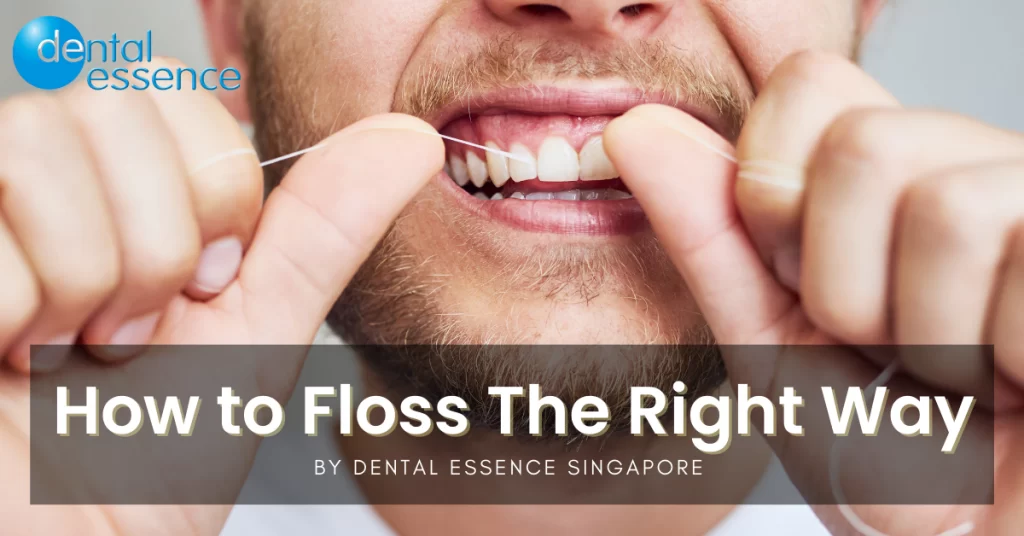
HOW TO FLOSS YOUR TEETH THE RIGHT WAY Many of us question the need to floss everyday. Aren’t brushing your teeth at least twice a day, cutting down on sweet and sugary snacks, and visiting the dentist for scaling and polishing enough? The simple answer to this question is; No, there is still a need for you to floss your teeth at least once a day.  Reasons To Floss Your Teeth Everyday The reason for this is to avoid plaque formation between the teeth. Our dentists at Dental Essence highly recommend flossing because it is the best tool against interproximal  plaque formation. Why must we fight plaque aggressively? This is because plaque is the number one reason for tooth decay. It can also cause many other dental problems such as gum disease, and bad breath, among others. Although brushing your teeth twice a day can help avoid plaque, floss helps additionally reach places between your teeth where your toothbrush cannot. On top of that, flossing can also polish the surface of your teeth.  The most common reason as to why many do not floss is because of the conception that flossing is time consuming. However, once you get used to it, you will realise that you can get it done in no time at all! If you only floss once a day, the best time to floss is at night before you sleep. Keep reading to find out the proper way to floss plus tips to make the process easy!  The Right Way To Floss Your Teeth Flossing the right way will help you maintain your dental health and avoid dental problems. Flossing can also help with maintaining whiter teeth. If you are ready to start flossing your teeth, follow these steps to ensure that you are getting the most benefits out of your flossing session.  The recommended floss length is 18 inches of floss when you begin flossing. Then, wind both sides of your floss around each middle finger. Leave about two inches of floss in between to work on your teeth.  Next, gently move your floss between each tooth by holding it between your thumbs and index finger. Make sure that you go beneath the gum lines by curving the floss around the base of your teeth. Do this gently to avoid cutting or bruising your gum tissues.  For each tooth, use a new section of the floss. Lastly, remove the floss by pulling it up with a back and forth movement to give it one last clean and to avoid the floss from breaking.   Types of Floss There are two types of floss, Nylon Floss or Multifilament Floss and PTFE Floss or Monofilament floss that you can attain from your local drugstore. Nylon Floss or Multifilament Floss Nylon floss comes in waxed and unwaxed varieties, as well as a range of flavours. Since this floss is made up of numerous strands of nylon, it can break or shred when used in between teeth with tight contact areas. PTFE Floss or Monofilament Floss Single strand (PTFE) floss is more costly, it is able to glide smoothly between teeth, even in small areas, and is practically resistant to getting shredded. Both forms of floss are effective at eliminating plaque and particles when used with the correct technique. Other Options for Floss If you find yourself struggling with any of these floss, you can opt for other tool variations. For instance, you can use floss picks, or water flossing among other alternatives to floss. No matter what tool you use, you can get a sparkling smile by flossing everyday!  Dental Essence Clinic Need further assistance with your dental needs? At Dental Essence, an array of dental services are available to ensure your dental health. We prioritise your comfort and strive to provide accurate and professional services for the best dental care experience. If you have dental related problems you would like to have us take a look at, give us a call to book a consultation where we can treat the problems at its root!  Book an Appointment Please enable JavaScript in your browser to complete this form.Name *FirstLastPhone *Email *Message *Phone Book Now Dental Essence 127 Tanglin Road, Tudor Court, Singapore 247922 info-tanglin@dentalessence.com.sg +65 6733 9433 +65 8322 3982 127 Tanglin Road, Tudor Court, Singapore 247922 Open Hours Monday-Friday: 9am – 6pm Saturday: 9am – 5pm Sunday: Closed Public Holiday: Closed

HOW TO FLOSS YOUR TEETH THE RIGHT WAY Read More »

A4A5FC08-D1B9-4117-BC59-DE7E4C68FEDE

TEETH GRINDING: A COMPLETE ALL-YOU-NEED-TO-KNOW GUIDE

TEETH GRINDING: A COMPLETE ALL-YOU-NEED-TO-KNOW GUIDE Bruxism, or teeth grinding, refers to the knee-jerk action of clenching, and grinding your teeth together which typically occurs while you sleep. Teeth grinding can cause side effects such as tooth sensitivity, headaches, broken or cracked teeth, as well as pain in the jaw. It is hard to determine whether or not you have teeth grinding problems but if you notice having a headache, jaw pains, or complaints from your roommate or partner every morning, it may point to bruxism. Teeth grinding is a widespread problem with a variety of causes. It is critical to treat it at an early stage in order to prevent potential dental problems.  How can you fix this? What is causing this problem? Our dentists at Dental Essence have the skill set and professionalism to diagnose and treat bruxism or teeth grinding. In this article, we explain all you need to know about teeth grinding complete guide.  Teeth Grinding Symptoms If you experience teeth grinding, these are several symptoms you may have noticed.  Painful teeth Headaches Flattening or Chipped Teeth Crown or Fillings Breakage Damaged, Cracked, or Fractured Teeth  Ear Pains Facial Enlargement Chewing Problems If you are experiencing any of these symptoms and want to ensure the root cause of the problem is tooth grinding, it is best to consult a dentist. Our dentists at Dental Essence are always prepared to provide you with professional assistance.  Causes of Teeth Grinding Before we get to the treatments, we must know the root cause of the problem. Some of the common reasons for teeth grinding include stress, negative emotions, drug use, alcohol intake, and certain medications. Let us dive deeper into these causes.  Stress Many grind their teeth as a coping mechanism for a few main reasons including negative emotions such as anger, anxiety, frustration, and stress. Research has suggested that teeth grinding is most commonly connected to stress. Among the common ways of reducing stress is exercise. When you exercise, you release endorphins, which are stress-reducers. Relaxation and calming techniques such as listening to music, walking, having a warm bath, and other calming activities are also a beneficial route to explore. Sleeping Issues Sleep talking, snoring, and even sleep disorders can all contribute to the development of teeth grinding. Sleep apnoea is a disorder that impairs your breathing while you sleep at night. Consulting our professionals at Dental Essence for a diagnosis and treatment plan is recommended especially when your bruxism is becoming a barrier to enjoying your daily life. Even though there is no evidence to link bruxism to a single cause, it is more common in those who snore or have obstructive sleep apnoea. Lifestyle Choices Tobacco and alcohol usage, especially when ingested before you sleep at night, might raise your risk of teeth grinding. However, bruxism is also prevalent among young children, so this is not always the case. Medications and Disorders Bruxism or teeth grinding has also been related to the intake of pharmaceuticals and antidepressant side effects, as well as neurological disorders such as Huntington’s and Parkinson’s disease. In these situations, you should seek medical advice from your medical professional. How To Manage Teeth Grinding There are a few ways that you can manage teeth grinding. The first step you must take is to monitor and take note of your symptoms. By doing so you will be able to notify your dentist, allowing an accurate diagnosis. At Dental Essence, we prioritise your comfort and do our best to ensure our patients receive the best treatments for their dental problems. Prior to a diagnosis, you may opt for the following methods to prevent teeth grinding or bruxism.  Adopt Relaxing Habits The most common cause of bruxism is stress, and anxiety. Adopting relaxing habits such as reading, taking a relaxing bath, meditation, light exercising, and mindfulness activities can reduce stress. Channeling your negative emotions that cause stress into relaxing methods is one of the best ways to reduce teeth grinding.  Wear A Nightguard Our professionals at Dental Essence can equip you with a night guard that can help reduce teeth grinding. A mouthguard or night guard can help prevent damage on your teeth, such as breakage and chipped teeth, by protecting your teeth. There are over the counter night guards as well as custom made ones that can be done by your dentist.  Mouth Exercises Tongue and jaw muscle exercises are common mouth exercises. They can help you relax your jaw and face muscles while also keeping your jaw in good alignment. Consult a professional at Dental Essence to find out which exercise will work best for you.  Seek Professional Advice Consult our professional at Dental Essence if you know you grind your teeth or believe tooth grinding is the cause of pain or other symptoms. Our professionals can check for wear on your teeth to see whether you grind them and announce the severity of the problem. Your dentist can examine your bite and alignment as well. He or she may advise you to consult a doctor for treatment of an underlying problem, depending on the probable reasons for your tooth grinding habit. Dental Essence Clinic At Dental Essence, an array of dental services are available to ensure your dental health. We prioritise your comfort and pledge to provide accurate and professional services for the best dental care experience. If you have dental related problems, give us a call to book a consultation where we can treat the problems at its root!  Book an Appointment Please enable JavaScript in your browser to complete this form.Name *FirstLastPhone *Email *Message *Comment Book Now Dental Essence 127 Tanglin Road, Tudor Court, Singapore 247922 info-tanglin@dentalessence.com.sg +65 6733 9433 +65 8322 3982 127 Tanglin Road, Tudor Court, Singapore 247922 Open Hours Monday-Friday: 9am – 6pm Saturday: 9am – 5pm Sunday: Closed Public Holiday: Closed

TEETH GRINDING: A COMPLETE ALL-YOU-NEED-TO-KNOW GUIDE Read More »